Rescue Wages for Assistance at Sea: What You Need to Know

Rescue Wages for Assistance at Sea: What You Need to Know

A ship with engine trouble, stranded in busy waters. As the captain, you see the danger mounting: drifting toward a bridge pier, a sandbar, or a channel.

A passing vessel decides to intervene and tows the stranded vessel to a safe location. Nothing was agreed upon—no contract was signed, and no fee was discussed.

And yet, a bill follows later. The rescuer claims a rescue fee for assistance provided at sea.

Yur's lawyers:

Sector-Specific Approach
Over 30 years of experience
Expertise in international transportation disputes
Experience with complex contract structures

Maritime Rescue in the Media

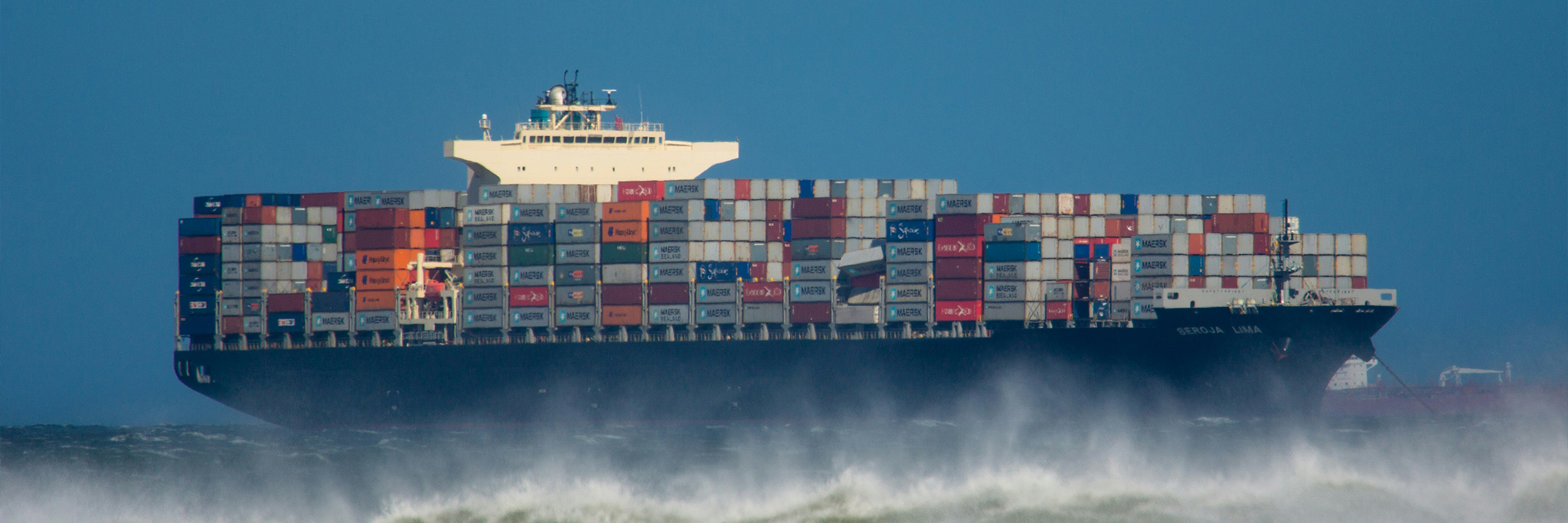
Maritime rescue operations regularly make the news. Take, for example, the Ever Given, the container ship that blocked the Suez Canal in 2021 and was refloated after a large-scale operation with the help of salvage vessels.

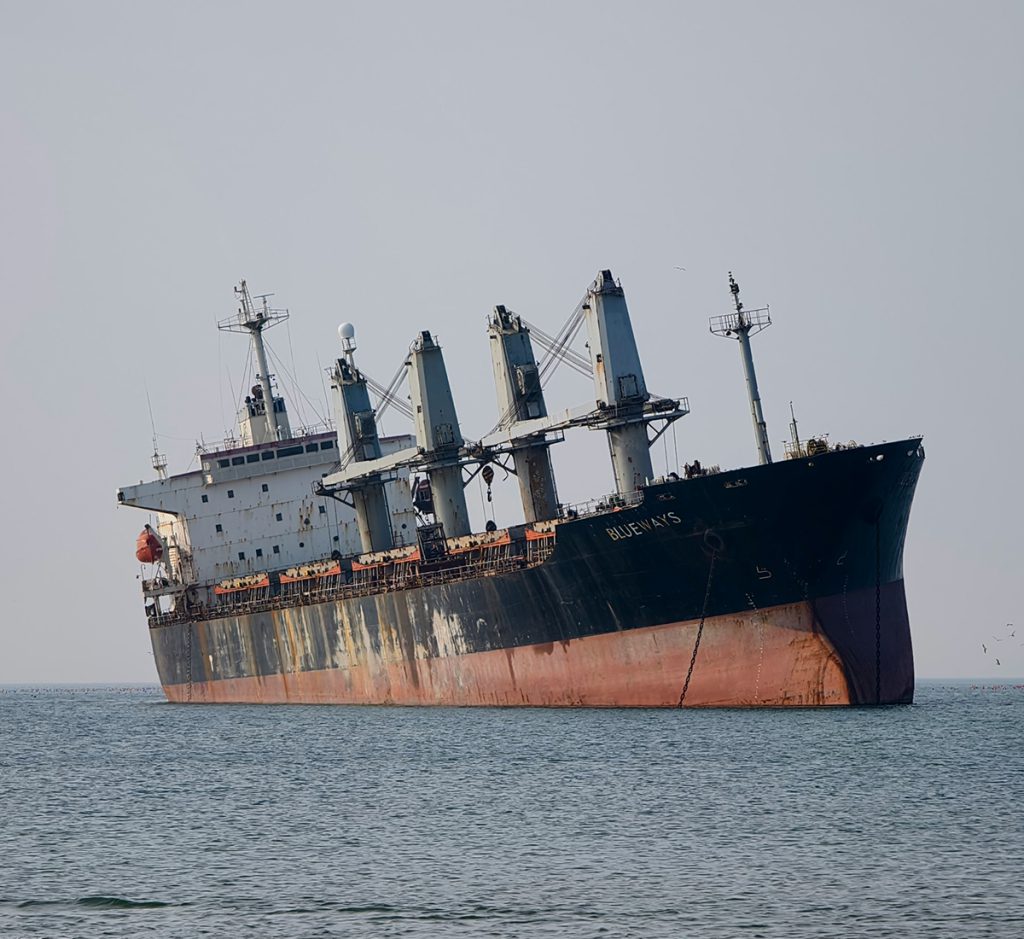
Or the Fremantle Highway, the car carrier that caught fire off the Dutch coast in 2023 and was towed to the port of Eemshaven. And the Julietta D, the cargo ship that lost steering off the Dutch coast and collided with an oil tanker. In all these cases, salvage fees played a role in the resolution of the incidents.

Website_afbeelding_1200x1100px_scheepschade

The Legal Framework for Maritime Assistance Wages

The fundamental principle of international and Dutch maritime, port, and commercial law is clear: assistance must be rewarded. This principle is enshrined in the 1989 London Convention on Assistance, which has been implemented in the Netherlands in Book 8 of the Civil Code. The idea behind this is that skippers and rescuers should not hesitate to intervene in dangerous situations at sea for fear that their efforts will go unrewarded.

Whether the assistance is provided by a professional salvage operator or by a ship that happens to be passing by makes no difference in principle.


Assistance Without a Prior Agreement

In practice, assistance is often provided without a prior agreement. Legally, this is not an obstacle. A contract is not required for the right to assistance pay to arise. The question is not whether you agreed on anything, but whether the legal conditions for providing assistance have been met. Those conditions are:

  • The vessel was in distress at the start of the assistance;
  • The rescuer actually provided assistance;
  • That assistance had a favorable outcome.

If these conditions are met, then, in principle, a right to a rescue fee arises.

Website_afbeelding_1200x1100px_scheepschade_2

When is something legally considered a “danger”?

The concept of “danger” sounds more dramatic than it needs to be in legal terms. According to established case law, this threshold is relatively low. “Danger” within the meaning of Article 8:551(1) of the Dutch Civil Code exists when there is a situation of imminent loss or, at the very least, very serious harm, from which the ship cannot extricate itself by its own means, without outside assistance. Even a relatively minor degree of danger may be sufficient to establish the existence of danger.

In this regard, the Supreme Court has explicitly held that this broad interpretation serves the public interest in the safety of shipping. The provision of assistance must not be discouraged by a premature determination that no danger existed. This concerns a legal threshold for eligibility: the question of whether assistance qualifies for compensation.

The severity of the danger only plays a role in determining the amount of the assistance fee. The question of whether a danger existed must be assessed as of the moment the service began. The provision of assistance continues as long as the danger persists.

Obligation to Achieve a Specific Result: Assistance Leading to a Favorable Outcome

Not every rescue operation automatically entitles you to a rescue reward. The rescue must have been successful. This means that the actions actually contributed to securing the ship or its cargo or to limiting the damage—including environmental damage.

If such a result is lacking, you are generally not entitled to a salvage reward, regardless of the extent of the efforts, the time spent, or the costs incurred.


Is a prior contract required?

Rescuers may choose to enter into an agreement in advance with the owner or operator of the vessel in distress. Such a pre-established contractual basis provides clarity regarding the legal relationship, the applicable terms and conditions, and the method by which compensation is determined.

In practice, standard contracts such as the Lloyd’s Open Form (“LOF”) are often used. Our transportation law attorneys regularly encounter these forms.


Commercial Law Attorneys in Rotterdam

Maritiem recht haven en handel advocaat Erwin Mazaira
Specialisaties Corporate law
Contract law
Intellectual property and IT law
mr. E. (Erwin)
Mazaira
Lawyer
mr. L. (Lisa) Muller
Specialisaties Maritime, port and trade
mr. L. (Lisa)
Muller
Lawyer
Advocaat Edward van Gruijthuijsen
Specialisaties Maritime, port and trade
mr. E. (Edward)
van Gruijthuijsen
Lawyer
Britt Simons
Specialisaties Maritime, port and trade
mr. B.G.F. (Britt)
Simons
Lawyer
Advocaat Johan Smit
Specialisaties Maritime, port and trade
mr. J. (Johan)
Smit
Lawyer
Michiel van Leeuwen
Specialisaties Maritime, port and trade
mr. M.M. (Michiel)
van Leeuwen
Lawyer

Would you like to learn more about assistance pay for maritime rescue operations?

Maritime wage cases require more than just knowledge of maritime law. These cases often involve time pressure, international interests, and complex negotiations—all while a ship cannot remain idle. The maritime attorneys at Yur in Rotterdam support you on both sides of the issue: whether you’re a salvage agent seeking to secure salvage remuneration or a shipowner facing a claim.

Contact us